
Knee Replacement
- Home
- Knee Replacement
Knee Replacement
Knee replacement surgery is done to reduce knee pain and help you move better. It is needed when the knee joint is badly damaged due to arthritis, old injury, or aging. In this surgery, the damaged part of the knee is removed and replaced with an artificial knee joint.
After surgery, most patients feel much less pain and can walk, sit, and climb stairs more comfortably. This surgery is usually advised when medicines and physiotherapy do not give relief. With proper exercise and care, patients can return to normal daily activities and enjoy a better quality of life.
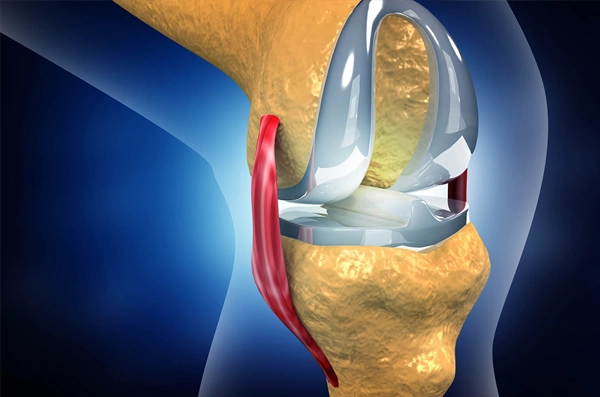
Knee Replacement Surgery
Knee pain shouldn’t control how you walk, sit, or live your daily life. When medicines, injections, and physiotherapy no longer provide relief, knee replacement surgery may be the most effective way to restore movement and reduce long-term pain.
Pain that continues even after medicines or physiotherapy may indicate advanced joint damage.
Loss of mobility is a common sign of severe knee arthritis.
Structural changes in the knee joint often worsen over time if untreated.
Night pain and constant discomfort suggest the joint is no longer functioning properly.
When knee pain limits independence, surgical treatment may be considered.
Frequently Asked Questions
Knee replacement is usually recommended when knee pain persists despite medicines, injections, or physiotherapy and starts affecting walking, sleep, or daily activities.
Yes. Knee replacement is a well-established and commonly performed procedure. When done by an experienced orthopaedic surgeon, it is considered safe and highly effective.
Most patients start walking with support within a few days. Daily activities improve gradually over a few weeks, with full recovery usually taking a few months.
Yes. The goal of knee replacement is to relieve pain and help you walk comfortably. Most patients experience significant improvement in movement and quality of life.
No. Surgery is considered only when non-surgical treatments no longer provide relief. A proper evaluation helps decide the right treatment for your condition